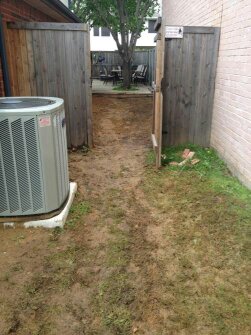

A wet yard is more than just a nuisance; it’s a threat to your home’s foundation, landscaping, and basement integrity. For homeowners across the USA, particularly those dealing with the expansive clay soils and unpredictable weather patterns common in states like Texas, a reliable drainage system is not a luxury—it’s an absolute necessity. The most effective solution? A professionally installed French drain.
This comprehensive guide breaks down the essential information you need to understand the function, factors, and precise French drain installation cost for your property, ensuring your investment safeguards your home for decades to come.
Professional French Drain Installation Services: Protecting Your Foundation
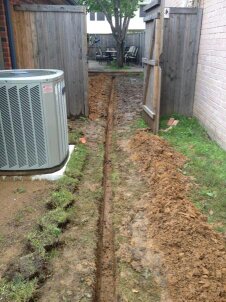
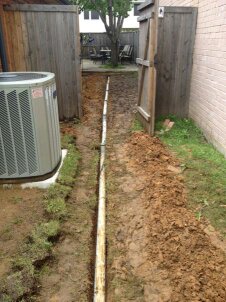
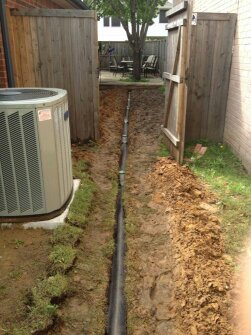
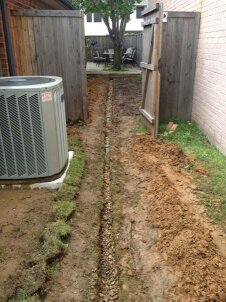
A French drain (sometimes called a perimeter drain or weeping tile) is an underground trench filled with gravel and a perforated pipe. Unlike surface drains that collect water in a single spot, a French drain works along its entire length, using gravity and the natural slope of your land to redirect surface and subsurface water away from critical areas, such as your home’s foundation.
When is a French Drain Necessary for Yard Drainage?
If you notice any of the following signs, it’s time to consider a professional yard drainage solution:
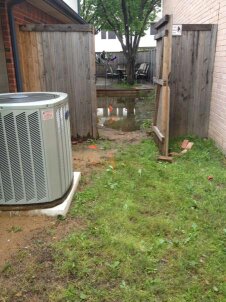
- Standing Water (Pooling): Puddles that linger for more than a few hours after rain, indicating poor soil percolation.
- Basement or Crawl Space Moisture: Water seeping into the lowest level of your home, leading to mold, mildew, and potential structural damage.
- Foundation Issues: Cracks in foundation walls or slab, often caused by hydraulic pressure from saturated soil.
- Eroding Landscaping: Soil and mulch being washed away from garden beds or retaining walls.
A quality installation, complete with a proper slope and durable geotextile fabric, ensures that the drain remains clear and functional, effectively protecting your property against water damage.
French Drain Cost Per Foot and Project in Texas, USA
Understanding the financial commitment is the first step toward securing proper drainage correction. While prices vary significantly based on location and project complexity, here is a general breakdown, focusing on the average French drain cost you can expect for professional service in the USA, including major Texas metro areas like Houston, Dallas, and Austin.
| Drain Type | Average Cost per Linear Foot (USA) | Typical 100-ft Project Range (Texas) |
|---|---|---|
| Exterior/Shallow Drain | $10 – $35 | $1,500 – $4,000 |
| Foundation/Deep Perimeter Drain | $30 – $90 | $4,500 – $9,000 |
| Interior Basement Drain | $40 – $100 | $5,000 – $12,000+ |
Note: The average cost for a professional French drain project in North Texas and Houston typically ranges from $2,800 to $5,000, depending on the total length and site conditions.
Key Factors that Impact the Total Installation Cost
The final price of your French drain system depends heavily on site-specific factors:
- Length and Depth: The linear footage is the primary cost driver. Deeper trenches, especially those around a foundation footing, require more labor and specialized equipment.
- Soil and Terrain: Hard, rocky, or dense clay soils (like those prevalent in many parts of Texas) dramatically increase labor costs due to the difficulty of excavation.
- Inclusions (Sump Pump): For basement waterproofing or deep interior drainage, a sump pump is often required to move collected water up and away from the house. This adds between $500 and $2,500 to the total cost.
- Site Accessibility: Projects in tight spaces, near utility lines, or under existing hardscapes (patios, driveways) will require more delicate work, raising the price.
Exterior vs. Interior French Drain Systems
The location of the water problem dictates the type of system required:
- Exterior French Drain: This system is installed outside the home to intercept surface runoff and groundwater before it reaches the foundation. It is the most common and cost-effective yard drainage solution.
- Interior French Drain: Used when water is actively seeping through the basement walls or floor. This requires breaking the concrete basement floor perimeter to install the drain tile and is significantly more complex and expensive, nearly always requiring a sump pump.
The Critical Role of Proper Installation and Maintenance
A French drain is only as effective as its installation. Professional landscapers and drainage specialists ensure correct grading—a slight slope (usually 1% to 2%) is required for gravity to move the water efficiently.
Choosing the Right Materials
High-quality materials ensure longevity. When you choose an expert for drainage system installation, ensure they use:
- Geotextile Fabric: This permeable fabric lines the trench to prevent surrounding soil and silt from clogging the system, a critical step for longevity in heavy clay regions.
- Perforated Pipe: Generally 4-inch PVC pipe (rigid) is preferred over flexible corrugated pipe for better flow and durability.
- Washed Gravel (Drainage Stone): Coarse, clean stone (like pea gravel or crushed rock) is used to surround the pipe, facilitating rapid water collection.
Essential Maintenance Tips
Properly installed French drains are low maintenance, but occasionally need attention:
- Inspect the Outlet: Regularly check the drain’s exit point to ensure it’s free of debris, leaves, or grass clippings.
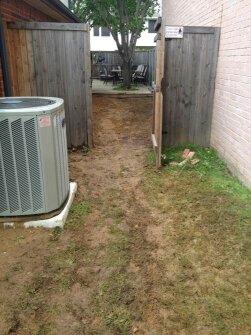
- Watch for Settling: If the topsoil above the trench settles significantly, water may collect there instead of entering the drain. Top it up as needed.
Investing in professional French drain installation offers peace of mind, protecting your home’s most valuable asset from costly water damage and ensuring a dry, beautiful landscape.
Frequently Asked Questions (FAQs) About French Drains
Q: How long does a professionally installed French drain last?
A: With proper installation and the use of geotextile fabric and durable PVC pipe, a French drain system can easily last 30 to 40 years with minimal maintenance.
Q: Is a French drain necessary if I have good gutters?
A: Yes. Gutters manage roof runoff (surface water), while a French drain manages groundwater and subsurface water that soaks into the yard. These two systems handle different issues — gutters prevent roof water buildup, whereas French drains protect your foundation from underground water pressure.
Q: What is a curtain drain?
A: A curtain drain is another name for a French drain, typically a shallower version designed to intercept and divert surface water before it reaches a lower area like a basement, foundation, or steep slope.
Q: Can I install a French drain myself?
A: While DIY installation is possible, professional installation is highly recommended. Setting the correct slope and marking underground utility lines require expertise — mistakes can lead to poor drainage performance or costly damage.
About the Author